This article gives general information about the United States. Laws differ by state and locality, so check the rules that apply to you.
Public records laws begin with a strong presumption that records should be open. Exemptions are the exceptions. They protect interests that society has decided should be kept confidential, such as personal privacy or ongoing investigations.
Common categories
- Privacy: personal information such as home addresses, medical details, and financial account numbers.
- Law enforcement: information that could interfere with an active investigation or reveal confidential sources.
- Deliberations: internal drafts and discussions that are part of forming a policy, in some circumstances.
- Trade secrets: confidential business information supplied to the government.
- Security: details that could endanger public safety if released.
- Legal privilege: confidential communications between a government and its lawyers.
Exemptions are usually discretionary or limited
Many laws say that an agency may withhold exempt information, not that it must. Some exemptions have exceptions, such as when the public interest in release outweighs the harm. Details depend on the law.
Exemptions apply to information, not whole documents
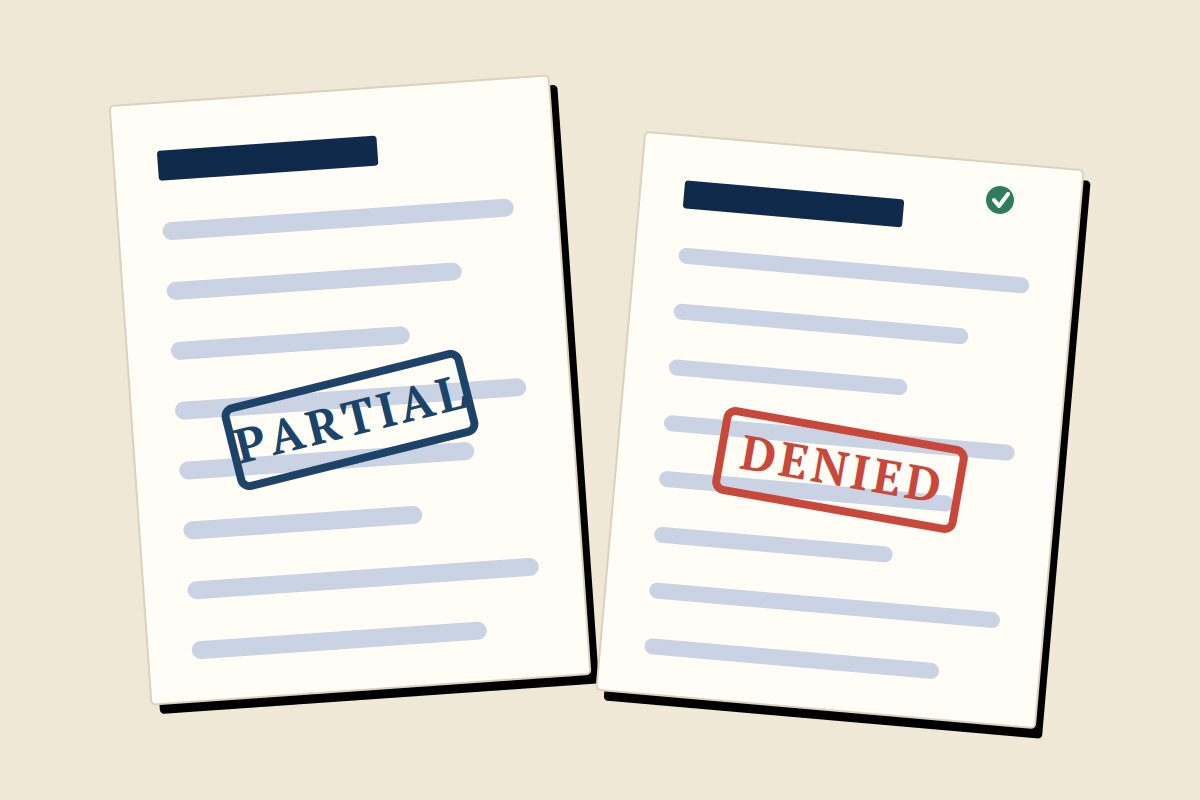
In most systems, if a record contains both exempt and non-exempt information, the agency should release the non-exempt parts. That is why you often receive documents with blacked-out sections.
How to work with exemptions
- Ask the agency to cite the exemption for each withholding.
- Compare the cited exemption with the actual information.
- Ask whether partial release is possible.
- Consider narrowing your request to avoid sensitive material.
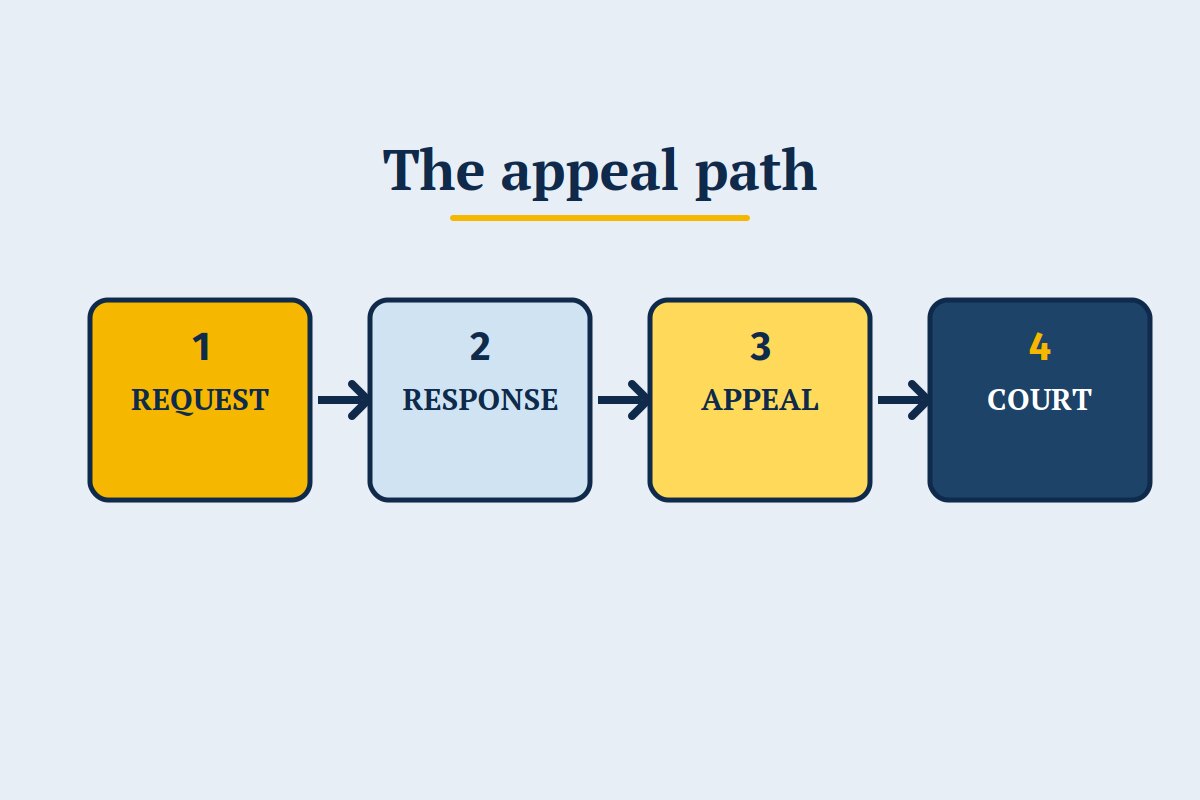
- Appeal if the exemption seems misapplied.
Check the law
Exemptions are listed in the statute itself, and court decisions and attorney general opinions often explain how they are interpreted. Many states publish guides that summarise them in plain language.
Knowing the exemptions does not mean you will always agree with how they are used, but it helps you ask clear, informed questions.