This article gives general information about the United States. Laws differ by state and locality, so check the rules that apply to you.
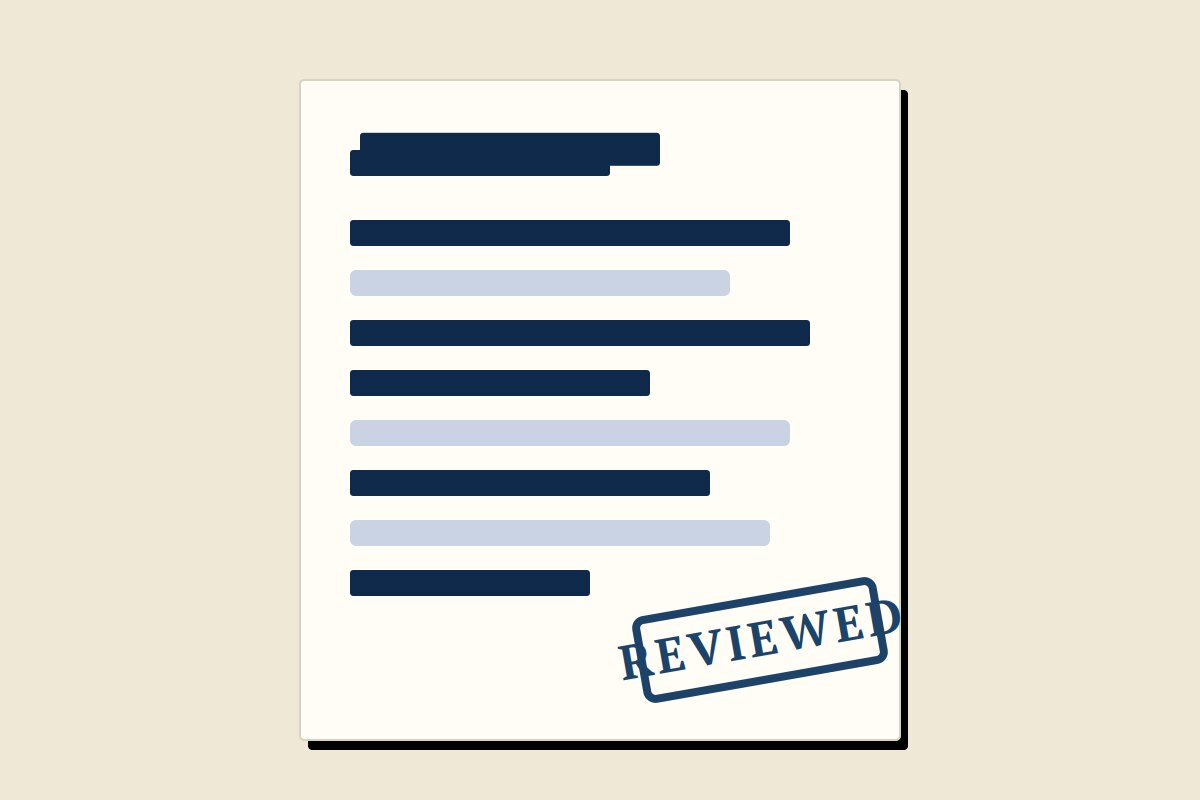
When an agency releases a record, it may remove, or redact, parts of it. Redaction is legal when the information falls under a recognised exemption in the public records law. It is also meant to be limited. Most laws require agencies to release the parts of a record that can be released.
Why information gets redacted
Common reasons include protecting personal privacy (such as home addresses or medical details), law enforcement investigations, trade secrets submitted by businesses, and national security information. The rules differ between federal and state laws.
The nine federal FOIA exemptions
Federal FOIA lists nine exemptions. In simplified terms, they cover:
- Classified national defense and foreign policy information.
- Internal personnel rules and practices.
- Information that another law prohibits disclosing.
- Trade secrets and confidential commercial information.
- Certain internal agency communications, often called deliberative process material.
- Personnel and medical files where disclosure would be a clearly unwarranted invasion of privacy.
- Some law enforcement records.
- Records related to the supervision of financial institutions.
- Geological and geophysical information about wells.
How to read a redacted document
Agencies are usually expected to indicate which exemption applies to each redaction, often with a code near the blacked-out text, such as “(b)(6)” for the privacy exemption. Check that the exemptions listed make sense for the type of information removed.
What you can do if you disagree
- Ask the agency to explain the redaction in more detail.
- Request a list of withheld documents or sections and the reasons for each.
- File an administrative appeal if you think the redactions are too broad.
- In some cases, seek mediation or take legal action.
Redaction is not always secrecy
Much redaction is routine and protects ordinary people, such as a witness’s address or a private citizen’s phone number. The question to ask is whether the withheld information truly fits the exemption cited.
Understanding the system helps you ask better follow-up questions and judge whether a release is reasonable.