This article gives general information about the United States. Open meetings rules differ by state and locality, so check the rules that apply to you.
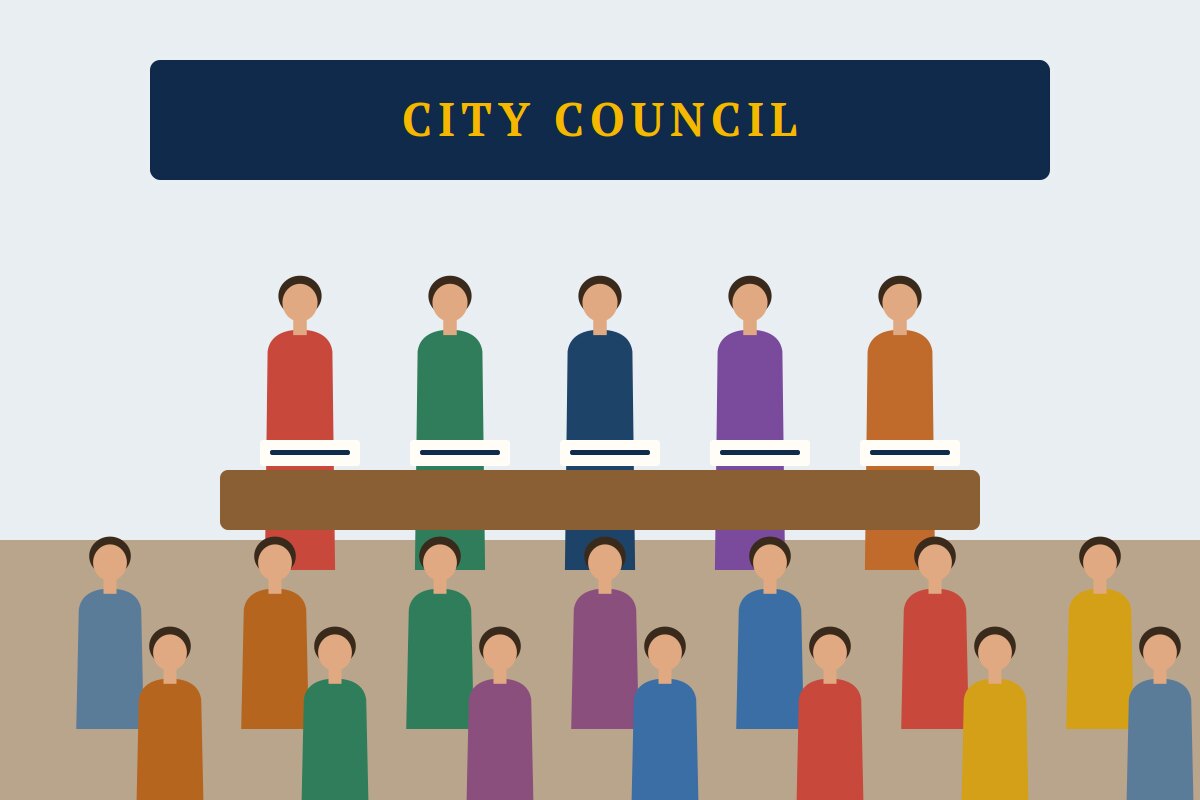
When a city council votes on a budget or a school board approves a new policy, the public has a right, in most places, to watch. Open meetings laws are the rules that guarantee this. They are often called sunshine laws, because they let light into government decision-making.
Where the rules come from
At the federal level, the Government in the Sunshine Act of 1976 requires many multi-member federal agencies to hold their meetings in public, with certain exceptions. Each state also has its own open meetings law, which covers state and local bodies such as councils, boards, and commissions. Florida’s Government in the Sunshine Law, adopted in 1967, is one of the best-known examples.
The common building blocks
- Advance notice. The body must announce when and where it will meet.
- An agenda. The public should be able to see what will be discussed.
- Open access. Meetings are held where the public can attend.
- Votes in public. Final decisions are generally made in open session.
- Minutes. Written records of what happened are kept and made available.
What counts as a meeting
In many states, a meeting happens when a quorum, usually a majority of the members, gathers to discuss public business. Some laws also cover discussions held by email, phone, or messaging apps, which is why officials are often cautious about group messages.
Exceptions
Laws allow closed sessions for narrow topics, such as personnel matters, pending litigation, certain real estate negotiations, and security issues. The exact list is set by each state.
What if a body breaks the rules?
Consequences vary. In some states, actions taken in violation of the law can be challenged or voided, and officials may face penalties. People can often file a complaint with a state attorney general or take the matter to court.
Why it matters
Open meetings give residents a chance to hear the reasoning behind decisions, understand trade-offs, and take part. Even if you never attend, the fact that anyone can is a useful check.
If you are curious, look up your own city or county’s next meeting. They are usually posted online.