This article gives general information about the United States. Laws differ by state and locality, so check the rules that apply to you.
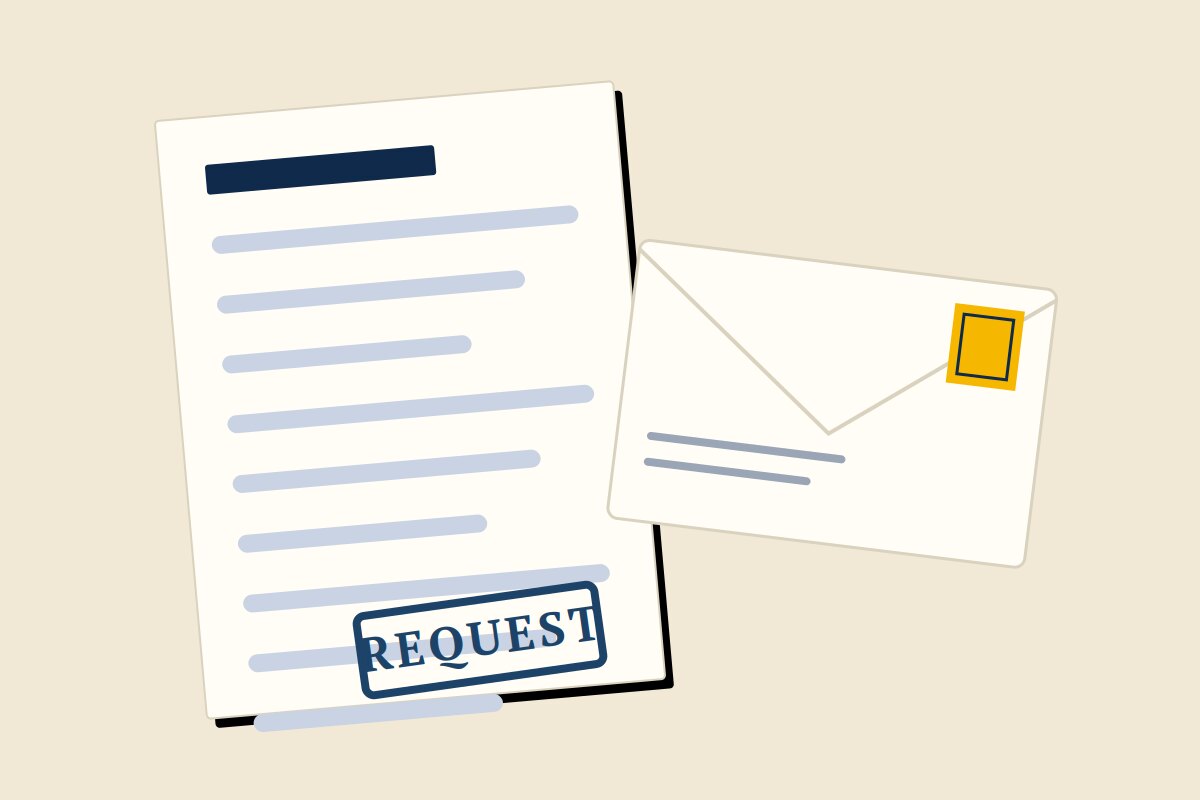
Government agencies create enormous numbers of documents: emails, contracts, inspection reports, budgets, meeting notes. Public records laws exist so that people can look at those documents and see how public business is conducted. A public records request is simply a written ask for specific records.
The federal law and state laws
At the federal level, the Freedom of Information Act (FOIA), enacted in 1966, gives people the right to request records from federal executive branch agencies. Every U.S. state also has its own public records law, and these are sometimes called open records acts, public records acts, or right-to-know laws. Each has its own rules about deadlines, fees, and exemptions.
Who can make a request?
Under federal FOIA, anyone can make a request, and you do not generally have to explain why you want the records. State laws vary. Some are open to anyone, while a few limit requests to residents of the state.
What a request can and cannot do
- It can ask for records that already exist, such as reports, emails, or contracts.
- It generally cannot force an agency to create a new document or answer questions.
- It does not give access to everything. Laws include exemptions that protect certain information, such as personal privacy and some law enforcement material.
The basic steps
- Identify the agency that is likely to have the records.
- Write a clear request describing what you want.
- Send it to the agency’s public records or FOIA officer, often by email or an online portal.
- Keep a copy and note the date you sent it.
- Wait for the response, and follow up if the deadline passes.
Where to start
Many agencies explain their process on their websites. Federal requests can be started through FOIA.gov, which links to agency contacts and portals. For state and local requests, search for the agency’s name plus “public records request”.
A request is not a complaint or an accusation. It is a routine way for people to learn how their government works.